
Acne in Huntington Beach, CA
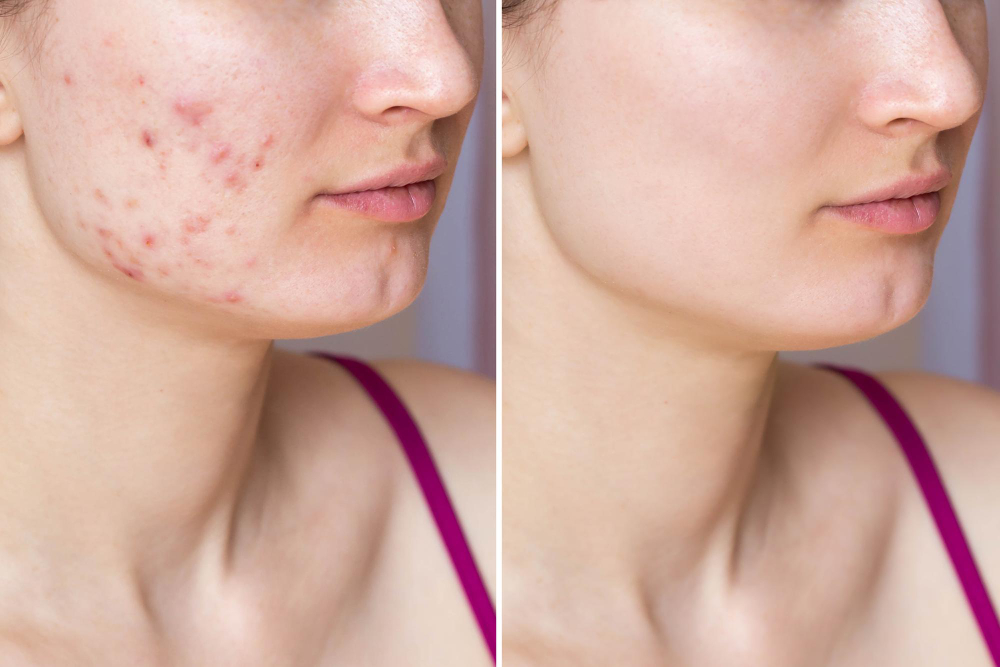
Up to 50 million people in the United States experience acne each year, making it one of the most common skin conditions — and one of the most persistent, because it has several causes at once and rarely responds to a single product. The board-certified Z-Dermatology & Skin Wellness Center team in Huntington Beach, California, treats acne at every stage, from blackheads and whiteheads to deep, painful cysts.
Call the office or book a consultation online to explore professional acne treatments.
- Common ages
- Teens through adulthood
- Types
- Comedonal, inflammatory, nodulocystic
- Treatments
- Topical, oral, in-office procedures
- Time to improvement
- Typically 6–8 weeks
What are the different types of acne?
Acne is common and can affect you at any age, though it is especially prevalent among adolescents during puberty. Dermatologists group acne lesions by what is happening inside the pore, because the type largely determines the treatment.
Comedonal acne
Pores blocked by oil and dead skin, without much inflammation. A blackhead is a clogged pore with a dark top, open to the surface. A whitehead is the same blockage closed over, with a visible white cap.
Inflammatory acne
Pimples (or papules) are red bumps on the skin’s surface. Pustules are similar but filled with white or yellow pus. These are tender because the wall of the pore has been irritated and the surrounding skin has become inflamed.
Nodulocystic acne
Cysts and nodules sit deeper in the skin than other acne lesions and are often tender to the touch or painful. This is the type most likely to leave a mark, so it is worth having looked at early rather than waited out.
You might have just one or several spots, a breakout with many lesions, or more than one type at once. Acne lesions are easily recognizable, although they are sometimes mistaken for rosacea, folliculitis or other inflammatory skin conditions — which is one reason a diagnosis is worth having.
What causes acne?
Acne develops when four things happen in the same pore: the skin produces excess oil (sebum), dead skin cells fail to shed and block the opening, bacteria that live normally on the skin multiply in the trapped oil, and the surrounding tissue becomes inflamed. That last step is why acne often appears red and feels tender.
Many people experience acne because their skin produces too much oil, which can follow an underlying hormone imbalance. That is why acne is common during puberty, pregnancy, around the menstrual cycle, and at other times when hormones fluctuate. Acne that appears along the jawline and chin in adult women often has a hormonal pattern.
Beyond hormones, factors that can worsen or trigger your acne include stress, certain medications, a high-sugar diet, greasy cosmetics and hair products, friction from helmets or straps, and picking at the skin.
When should I see a dermatologist about acne?
You do not need severe acne to benefit from seeing a dermatologist. It is worth making an appointment if:
- Over-the-counter products have not helped
- You have deep, painful cysts or nodules
- Your acne is leaving marks or scars
- Breakouts started or changed suddenly as an adult
- Acne is affecting how you feel about going out or being photographed
- You are pregnant, planning a pregnancy, or breastfeeding and need treatment that is appropriate for that
Deep or scarring acne in particular is easier to treat before it leaves a permanent mark than afterward.
How is acne treated?
Z-Dermatology & Skin Wellness Center provides personalized medical dermatology care to manage acne and prevent future breakouts. After examining your skin and reviewing your medical history, the team builds a plan around the type and severity of your acne rather than applying one routine to everyone.
Depending on what your skin needs, that may include:
- Over-the-counter topical products
- Prescription topical therapy
- Retinoid therapy
- Isotretinoin
- Hormonal contraceptives
- Steroid injections
- Extractions
- Chemical peels
- Laser therapy
Acne usually responds best to more than one treatment at a time, because a single product only addresses one of the four causes. Sometimes antibiotics are a critical part of acne treatment because they reduce bacteria in your pores and prevent them from multiplying, which also reduces the inflammation associated with acne. Antibiotics are generally used for a limited period alongside a topical treatment rather than on their own.
How long does acne treatment take to work?
Plan on six to eight weeks before you see meaningfully fewer breakouts, and several months for the full effect of a plan. Skin sometimes looks worse in the first few weeks as existing blockages come to the surface; that is expected and is not a sign the treatment is failing.
Once your skin is clear, most people need some form of maintenance treatment to keep it that way, since the tendency toward clogged pores does not disappear on its own. Your follow-up visits are where the plan gets adjusted.
Does acne cause scarring?
It can, particularly with deep cysts and nodules, and picking or squeezing raises the risk considerably. The most reliable way to limit acne scarring is to bring the active acne under control.
If you already have marks from past breakouts, our acne scar treatments include laser resurfacing, RF microneedling, chemical peels and subcision.
How do I get acne treatment in Huntington Beach?
Call Z-Dermatology & Skin Wellness Center or schedule an acne treatment consultation online. We see patients from across Orange County, including Fountain Valley, Costa Mesa, Newport Beach, Westminster and Seal Beach.
Related services
We look forward to meeting you.
Send Us a Message
-
Visit Us
18800 Main Street, Suite 111
Huntington Beach, CA 92648 -
Call Us
(714) 951-9119 -
Office Hours
Monday – Thursday 8:00 AM – 5:00 PM Friday 8:00 AM – 4:00 PM Saturday – Sunday Closed